We’re building a way to check restaurant food against your own limits.
In development · Sample demonstration available · First pilot location targeted for April 2027, after platform acceptance
NutriChoice is designed to check each dish against the sodium limit and the allergen exclusions you choose, to show its carbohydrate and fibre, and to use the recipe the restaurant confirms. When information is missing, it will say so instead of guessing.
For restaurants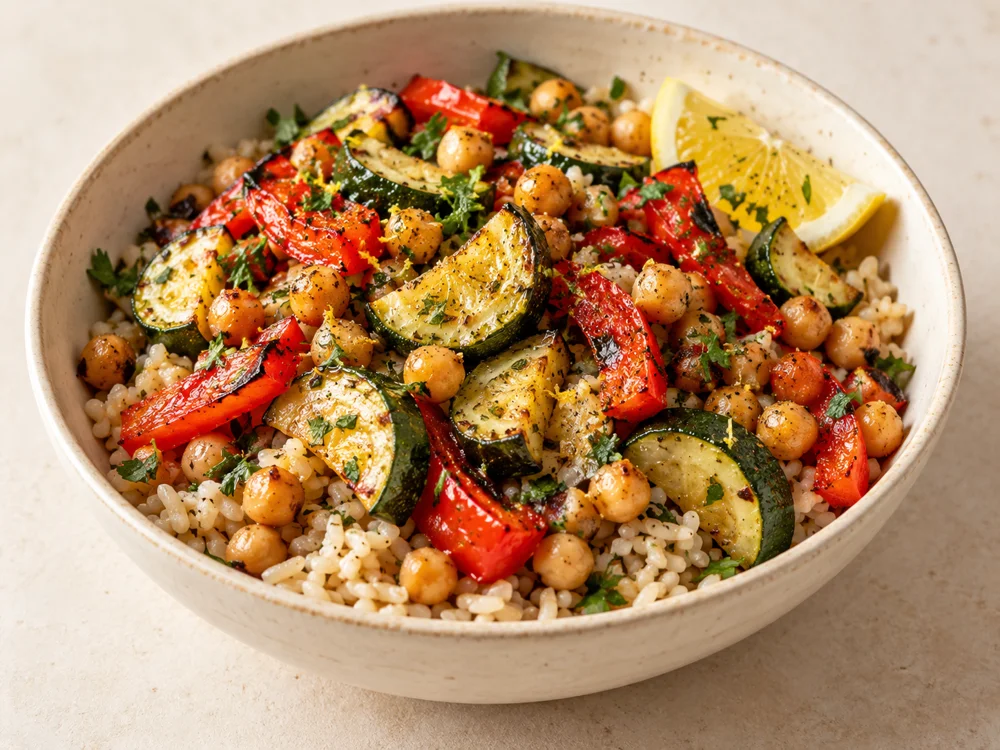
Roasted vegetable bowl
Sodium 480 mg in a 350 g portion — 120 mg below the 600 mg example limit (calculated from the fictional recipe)
Signed by the kitchen (fictional), v1 · Not yet checked independently (demo)
Why: 480 mg in 350 g; 600 − 480 = 120 mg below.
Dataset version: sample-v2
Set the limit you follow
Choose a sodium limit per meal and the allergens you want to avoid; see each dish’s carbohydrate and fibre.
See what joining involves and what it costs
Read the proposed commission and the work a kitchen takes on.
One fictional dish.
Three ways to read it.
Change the example limit and the result changes with it. Then compare what a typical menu shows with the signed recipe and the record over time.
Open the full demoFictional dish and sample data. Nothing you choose leaves your device.
Roasted vegetable bowl
At or below the example limit
480 mg of sodium in this fictional 350 g portion — 120 mg below the 600 mg example limit.
Sample comparison only. It does not tell you what is suitable for you.
The signed recipe
- Brown rice
- Chickpeas
- Zucchini
- Bell pepper
- Olive oil
- Lemon dressing (lemon juice, olive oil, salt, black pepper)
Portion 350 g · Sodium 480 mg · Carbohydrate 62 g · Fibre 11 g
Each part of the recipe records every priority allergen as present, absent or unknown.
Not in the recorded ingredients: eggs, milk, mustard, peanuts, crustaceans, molluscs, fish, sesame, soy, sulphites, tree nuts, wheat.
Checked against recorded ingredients only. Cross-contact is not assessed; this is not an allergen-free or gluten-free statement.
Signed by the kitchen (fictional)
Over time
Recipe version v1 · Signed by the kitchen on 14 September 2026 (fictional) · Not yet checked independently (demo)
At or below the example limit by 120 mg
A recipe change will start a new version, which the kitchen must sign again. A record that is not re-confirmed on time will be held back until the kitchen confirms it.
Recipe version v1 · Dataset version: sample-v2
Three parts.
One record.
The recipe the restaurant signs
The restaurant will record the full recipe — every ingredient and amount — and sign it.
So the figures you see come from what the kitchen uses.
See the signed recipeFixed rules, dated and versioned
Fixed rules, each dated and versioned, will check every dish against your choices; ranking will only order dishes that passed.
So the same record always gets the same answer, with its reason.
See a result and its reasonChecks that keep records current
A recipe change will start a new version, which the kitchen must sign again. A record that is not re-confirmed on time will be held back until the kitchen confirms it.
So an out-of-date record does not reach your results.
See the record over timeStart with one
restaurant group.
In 2027 the pilot is planned to run at seven locations of one restaurant group in British Columbia and Ontario, with a small number of independent restaurants planned to join inside the pilot areas late in 2027.
Ordering is not available yet, so there is nothing to pay. Joining early access is free and does not place an order.
Pilot areasPlatform in contracted development
Completion targeted for the first quarter of 2027.
First pilot location
After platform acceptance and full labelling of its menu.
All seven pilot locations
Each after full labelling of its menu.
What joining costs.
The plan proposes a commission of 20% of the food subtotal on every order, including pickup — nothing on delivery fees, taxes or tips. Under the current plan, that commission is the only charge NutriChoice makes to a restaurant.
Joining also takes your kitchen’s time and sealed packaging for each order (planning assumptions; see the toolkit). Final terms are set out in each agreement.
What joining involvesGuides and samples
Ingredients and preparation tell different parts of the story.
Why a recipe list and the way a kitchen works should be considered separately.
Read the guideGuide 02Start with the portion.
How to understand what a nutrition number describes before comparing meals.
Read the guideSample Case studySample: how much sauce changes a dish
One fictional dish, two illustrative sauces and four amounts, against a 600 mg example limit.
Read the sampleSample Case studySample: when a recipe changes
A fictional salad’s recipe changes to a dressing from a new supplier: what happens to its record until the kitchen re-confirms it.
Read the sampleStart with the
sample demo.
Until the pilot starts, the sample demo shows how a result is reached and why.
Try the demo Sign-up is not open yet.